DC Comics

Review - Doomsday Clock

Review – Doomsday Clock

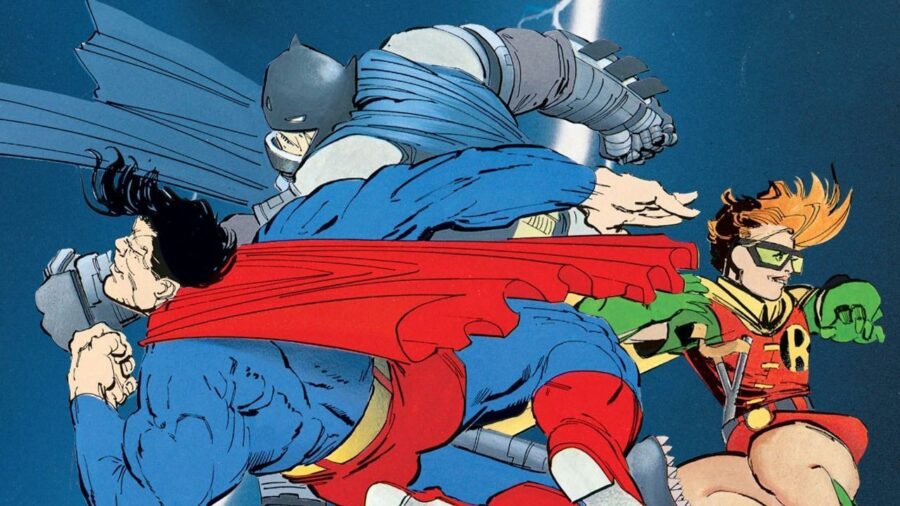
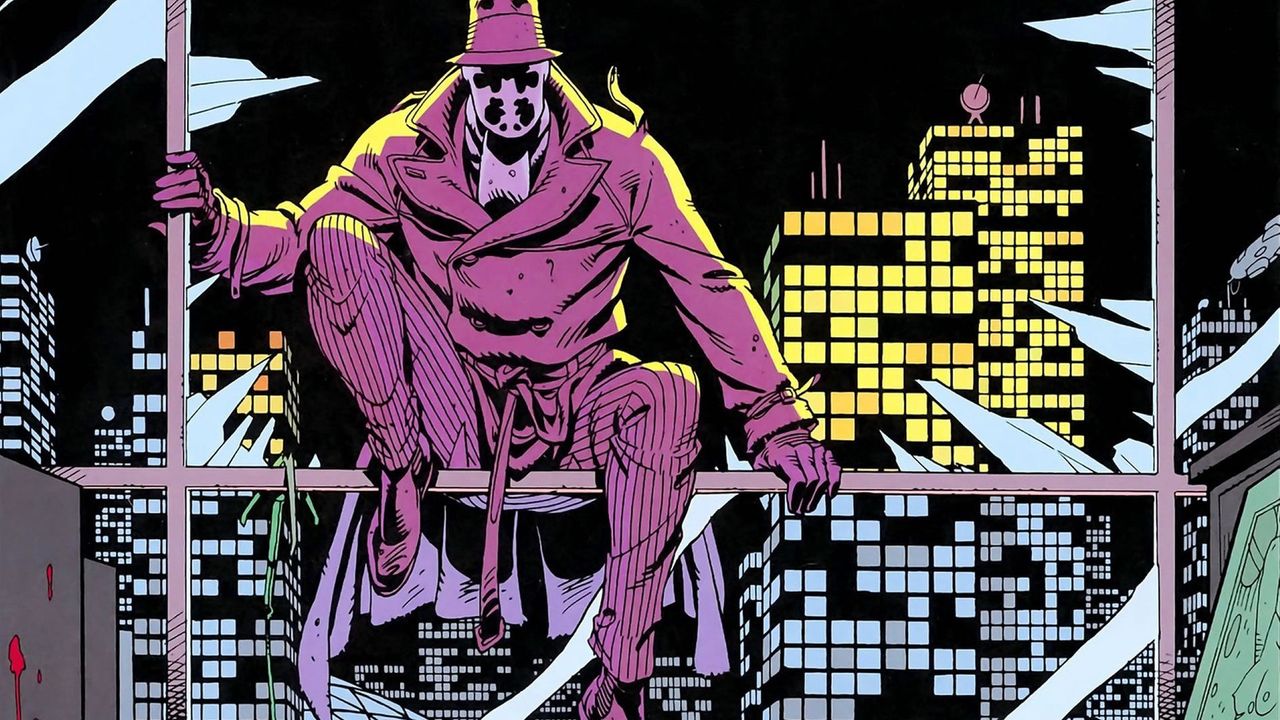
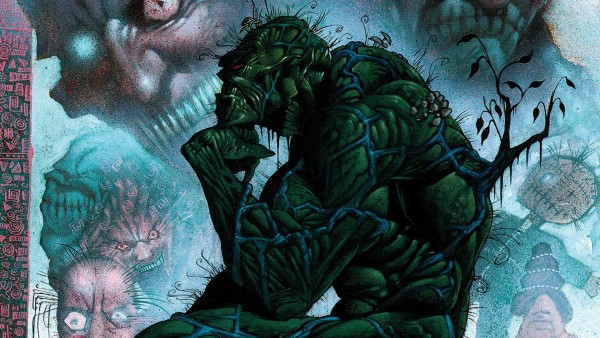
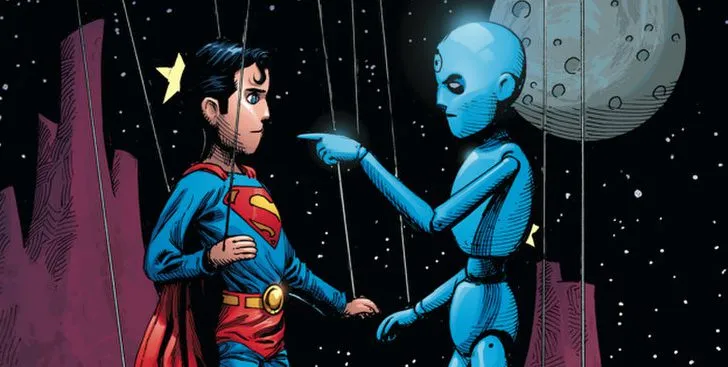
SUMMARY Doomsday Clock is a 12 issue comic series from DC Comics (oh my god I just realised DC stands for Doomsday Clock in this context, don’t tell me I’m wrong.) featuring an all-star cast of your favourite DC characters such as Batman, Joker, Superman and Lex Luthor, but what’s that in the sky? Is it a bird? Is it a plane? No, it’s the Watchmen! Crashing into the unfamiliar yet familiar territory of Gotham City. Once initial pleasantries are made between both sides, the race is on to beat the clock and save this world from itself and in turn save everyone.   DOOMSDAY CLOCK ART It’s only when you see both worlds and characters of The Watchmen and Batman & Superman that you see the similarities in their dark and gritty yet colourful and classic design. The pencil art by Gary Frank and use of colour by Brad Anderson seamlessly synergises with the exciting yet tragic story of a group of superheroes in charge of saving a doomed world. The covers of the collection alone are stunning to look at, each with its own unique and poetic nuances. It’s hard to choose a favourite and that speaks volumes as several of the comics have alternate cover art, I don’t even think Frank and Brad could decide on the best fit for each issue so why not have both?  Covers aside, there are some truly incredible panels of art within these comics. Some are bombastic and badass whereas others are subtle and seductive but like seductive in a how a director lines up a shot perfectly to tell a story and then takes it to the bedroom…to hang up on his wall because it’s ART!    DOOMSDAY CLOCK WRITING Do you know what’s harder to keep track of than a multiverse in comics? A world! Let me explain, a multiverse knows it’s a huge thing so it only gives you the prime details you need to know about. A world however, is small enough that it decides to give you every detail It has about it in the hopes that it’ll be easy to follow because it’s not as big as a multiverse. this series has 3 worlds, time travelling and a multiverse!  Despite the subject matter and level of events going on, Doomsday Clock is surprisingly easy to read. Fully grasping and reciting the subject matter and events however – especially when trying to review it (little meta-humour for you dear reader), is gonna require some quiet reflecting and a déjà vu ridden reread of the series. Even if you do understand what’s happening, the series deserves the reread in order to engross yourself in the foreshadowing throughout. With the use of real-life figures, global news broadcasts and an extensive lore of the worlds provided in everyday formats like newspapers, letters and photographs, you often forget you are reading a work of fiction. With the year we’ve just had, even the outrageous and supernatural events don’t seem to break the illusion. Not to mention this serves as additional immersive context for the reader who perhaps isn’t as familiar with the universe and its characters. As mentioned, the collection features an all-star cast of DC favourites. Seeing those characters interact and pair with each other makes for some interesting developments and fun internal commentaries. Batman and Rorschach trying to out-brood each other is a comic book fans’ vigilante fantasy…vigilantasy if you will! As well as those favourites we also get meta glimpses into the more obscure characters of DCs history such as various incarnations of the Justice League and international superheroes yet to make their mark. The cherry on top is the promise of new fan favourites in the near future and the promise of an ever-expanding story that will kick down the forbidden comic book doors. We recently reviewed the Classic Watchmen book, check it out here OVERALL REVIEW Move over MCU with your Infinity Wars, Endgames and maybe even some of your Wandavision. THIS is the most gripping and mind-blowing collection of comics I have ever read. Doomsday Clock demands a film adaptation whether it be live action or probably for the best, an animated trilogy of films. This is what the DCEU films should be working towards; A truly visceral and ingenious experience with a web of suspense and tragedy that is a thank you series to the diehard fans of DC. Any comic book fan should add this series to their collection as it is a masterclass in effective storytelling and artwork.  Let us know in the comments your thoughts on our review of Doomsday Clock, your favourite DC Characters and what you’d like to see from an adaptation!
Review – Doomsday Clock Read More »

shazam! (2019)

Shazam Movie 2019 Review: A Fun But Flawed DC Adventure

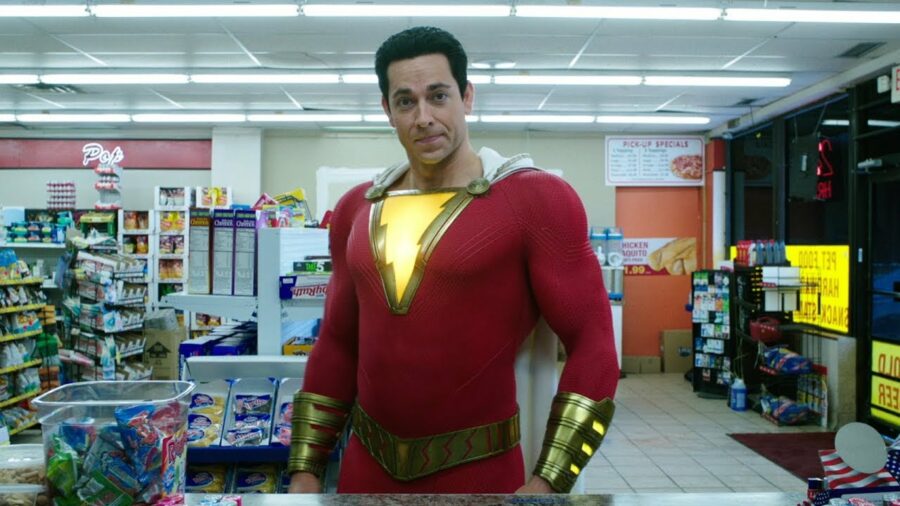
Shazam Movie 2019 Review: A Fun But Flawed DC Adventure   INTRODUCTION: A New Direction for DC Welcome to our Shazam Movie 2019 Review. Usually, I know the source material of superhero movies very well. However, Shazam was an exception. Aside from the famous copyright battles between Marvel and DC, I knew very little about the character. Watching this film for review, I enjoyed many aspects, but it definitely falls short in specific areas. Interestingly, the movie marks a shift in the DCEU. DC finally dropped the dour tone of the Zack Snyder era. Instead, they embraced a “fun factor” that started right here. STORY: The Balance of Comedy and Action In this Shazam Movie 2019 Review, we look at how the film prioritizes family lessons over massive action. Zachary Levi shines in the titular role. His chemistry with Jack Dylan Grazer is a massive highlight. Levi perfectly captures the wonder of a teenage boy in a hero’s body. Mark Strong also does a great job “hamming it up” as the villain, Dr. Sivana. However, don’t expect mind-blowing action scenes on par with the MCU. Billy Batson is an untrained kid. Consequently, the fights feel smaller and more personal. While this makes sense for the plot, I felt slightly unfulfilled by the lack of large-scale battles. CHARACTER: The Billy Batson Disconnect My biggest issue in this Shazam Movie 2019 Review concerns the lead performance. Asher Angel plays the young Billy Batson as broody and introspective. Conversely, Zachary Levi plays the hero version with over-the-top playfulness. This discrepancy breaks the illusion. It feels like they are playing two entirely different people. I wish the actors had compromised on a shared personality. This smoothing out would have made the character’s transformation much more believable for the audience. VERDICT: The Final Shazam Movie 2019 Review Overall, Shazam! is dumb fun. If you don’t think too hard, you will have a great time. It suggests that DC is finally finding its own path rather than just playing catch-up with Marvel. This move was for the best. Fun Factor: 8/10 Action: 5/10 Overall Rating: 3/5 Stars Check out our other DC movie reviews: Wonder Woman: Dead Earth Review The Dark Knight Returns Review Want to see the hero in action? Buy Shazam! on Amazon.

Shazam Movie 2019 Review: A Fun But Flawed DC Adventure Read More »

all star superman

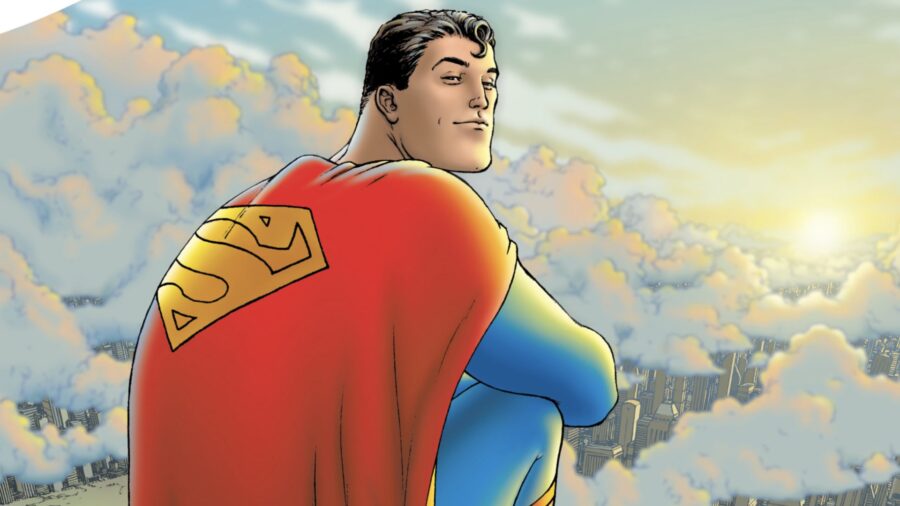
All Star Superman Review: 5 Reasons It’s the Best DC Comic

  All Star Superman Review: Grant Morrison’s DC Masterpiece   INTRODUCTION: Revisiting a Legend Welcome to our All Star Superman Review. Writing this piece allowed me to revisit one of my favorite comics. Interestingly, I am not usually a massive fan of the Man of Steel. I typically prefer him as a side character in a Batman story. However, this book changed everything for me. Grant Morrison wrote this story as a perfect jumping-in point. Consequently, new readers can enjoy the plot with zero prior knowledge. Even if you know the lore, you will love Morrison’s fresh take on the character. STORY: A Brisk and Cosmic Journey In this All Star Superman Review, we look at how the plot moves at a brisk pace. Morrison avoids making the story convoluted. They keep readers informed without ever talking down to them. This balance makes the book feel accessible yet sophisticated. I love the opening. Morrison shows Superman’s origin on a single page. Then, a beautiful two-page spread displays the Man of Steel in his full glory. The book embraces cosmic themes early on. We see Superman flying around the sun in a display of pure power. Furthermore, the relationship between Kal El and Lois Lane evolves beautifully. This layer adds deep complexity to the alien hero. THE VILLAINS: Lex Luthor at His Best The other major relationship in the book is with Lex Luthor. Morrison writes Lex as an unflinching sociopath. This version of the character is willing to do anything to achieve his goals. Luthor provides a perfect contrast to Superman’s optimism. His presence raises the stakes of the story. Ultimately, it makes the resolution of the plot feel earned and impactful. ARTWORK: Frank Quitely’s Iconic Style Frank Quitely’s art smoothly compliments the narrative. His clean and crisp illustrations make the book iconic. I personally enjoy the “Desperate Dan” build of Superman. It acts as a great homage to the comics of Quitely’s youth. Jamie Grant’s colors also help make the book recognizable. Each page features bright and varied tones. However, the colors never look garish. Instead, they bring every panel to life. VERDICT: The Final All Star Superman Review I enjoyed re-reading this book just as much as the first time. Morrison hit the nail on the head. They gave us the quintessential alternative version of the Man of Steel. It is certainly better than its All Star Batman and Robin counterpart. Story: 10/10 Art: 10/10 Overall Rating: 5/5 Stars Check out our other legendary reviews: Review – The Dark Knight Returns Review – Watchmen Want to read the masterpiece? Buy All Star Superman on Amazon.

All Star Superman Review: 5 Reasons It’s the Best DC Comic Read More »

v for vendetta

V For Vendetta Graphic Novel: Alan Moore’s Masterpiece

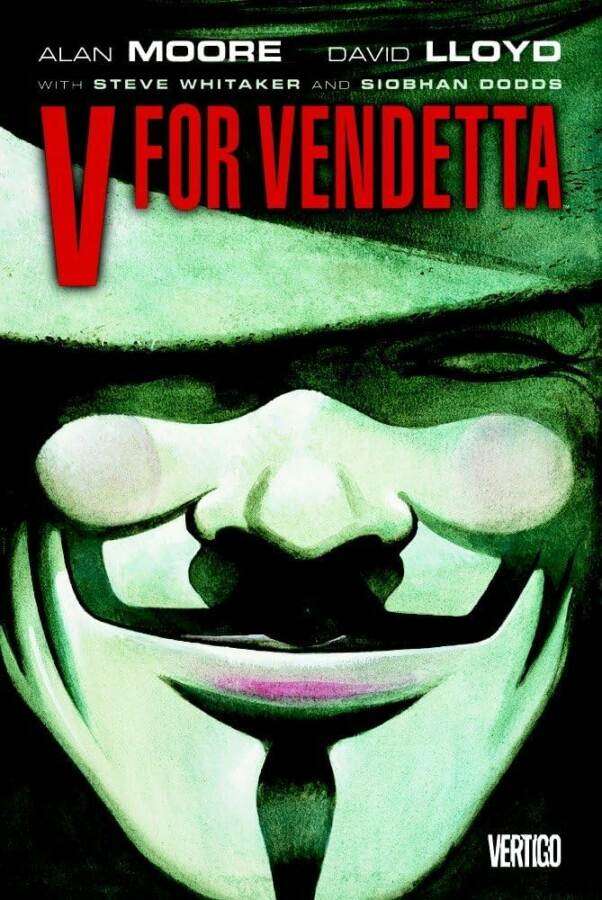
V For Vendetta Graphic Novel Review: Alan Moore’s Masterpiece By Daniel Boyd INTRODUCTION: Why Ideas are Bulletproof When discussing the most influential comics of all time, the V For Vendetta Graphic Novel is always at the top of the list. Originally written by Alan Moore and illustrated by David Lloyd, this masterpiece remains a chillingly relevant exploration of identity, anarchy, and resistance. In this review, we revisit the dystopian London of the Norsefire regime to see why the V For Vendetta Graphic Novel continues to be a ‘bulletproof’ idea for modern readers. Getting to go back and re-evaluate this classic, it’s clear that the book still stands as a fantastic achievement, dripping with style and heavy on substance. STORY: A 1984-esque Dystopia In this V For Vendetta Graphic Novel Review, we examine how Moore taps into the fears of 1980s Britain to create a timeless dystopia. The narrative follows Evie, a young woman saved by a masked revolutionary known only as “V.” V is a tragic character whose past was stolen by a broken system. Instead of breaking, he becomes an icon. As V famously says, “ideas are bulletproof.” Moore uses Evie as a surrogate for the audience, allowing us to witness V’s extreme methods and questionable morals through her eyes. While his actions are controversial, his dialogue is undeniably inspiring, pushing the reader to question the nature of freedom and government control. ARTWORK: The Iconic Design of David Lloyd A crucial part of any V For Vendetta Graphic Novel Review is acknowledging the striking visual work of David Lloyd. The art is perfect for the grim, noir-soaked version of London presented on the page. Character Design: The Guy Fawkes mask has moved beyond the page to become a real-world symbol of resistance and the group Anonymous. Color Palette: Steve Whitaker’s colors give the book a timeless quality, avoiding the garish tones often found in 80s comics. Atmosphere: The use of shadows and tight framing creates a sense of claustrophobia that mirrors the suffocating nature of the Norsefire government. VERDICT: The Final V For Vendetta Graphic Novel Review Overall, it is a joy to report that this book holds up incredibly well. It is a masterpiece of the medium that should be read every year—perhaps on the 5th of November. If you haven’t read it yet, do yourself a favor and make it the next book on your list. Story: 10/10 Art: 10/10 Legacy: Unmatched Check out our other classic reviews: Review – Watchmen Review – Swamp Thing: The Root of All Evil Ready to join the revolution? Buy V For Vendetta on Amazon.

V For Vendetta Graphic Novel: Alan Moore’s Masterpiece Read More »

Wonder Woman: Dead Earth

Wonder Woman Dead Earth Review – A Brutal DC Masterpiece

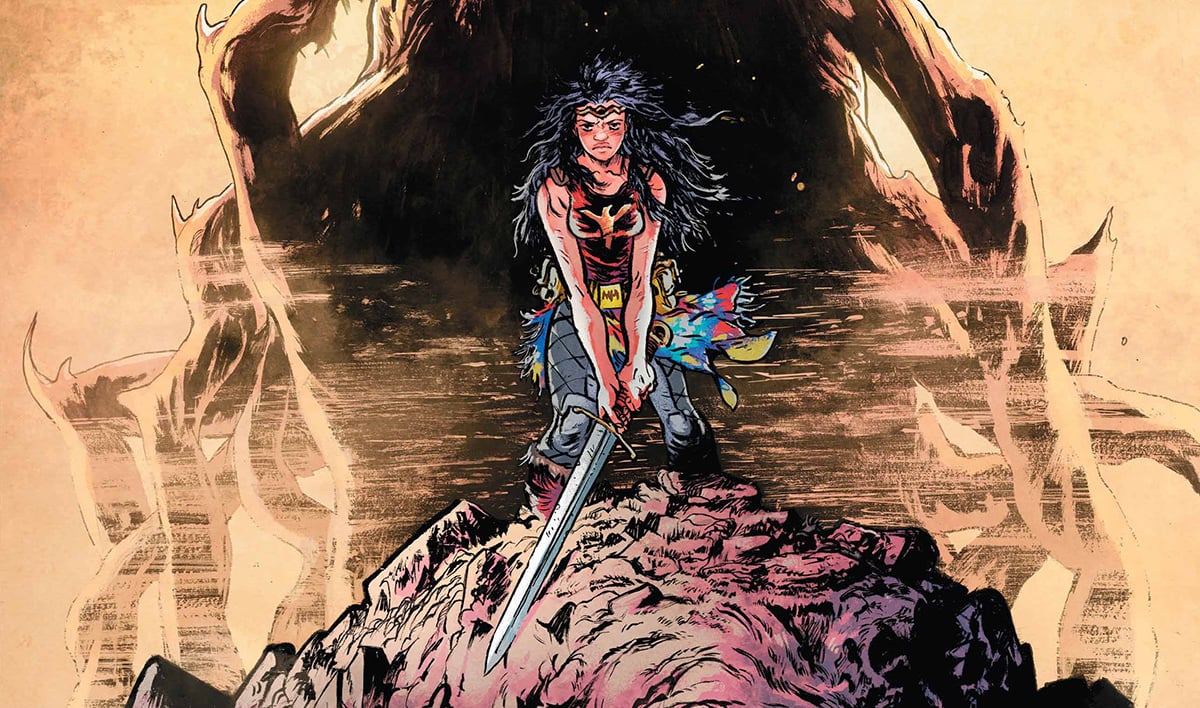
Wonder Woman Dead Earth Review: A Brutal Post-Apocalyptic Epic INTRODUCTION: The Best of DC Black Label? Welcome to our Wonder Woman Dead Earth Review. Since its debut, the DC Black Label imprint has sought to provide creators with a “prestige” canvas for mature, standalone stories. While some titles have played it safe, Daniel Warren Johnson’s Dead Earth finally delivers on that promise. This is a gritty, “metal” odyssey that reimagines Diana Prince in a world that has already ended. But does this version of the Amazonian princess stay true to her roots? Let’s find out. STORY: Mad Max Meets the Amazon In this Wonder Woman Dead Earth Review, we explore a haunting vision of the future. Diana wakes from a centuries-long cryogenic slumber to find the Earth reduced to a nuclear wasteland. Her memory is fragmented, and her powers are diminished, leaving her to protect a small band of human survivors from terrifying, mutated monsters known as the Haedra. The narrative feels like a direct homage to Mad Max: Fury Road. Diana is forced to navigate gladiatorial pits and tribal politics, yet the story never loses sight of her core mission: compassion. A standout moment occurs when she chooses to forgive those who betrayed her, proving that even in a dead world, her radical love remains her greatest strength. ARTWORK: Kinetic Energy and Gritty Colors A key highlight of any Wonder Woman Dead Earth Review must be the art. Daniel Warren Johnson handles both writing and illustration duties, creating a unified and chaotic aesthetic. His style is raw and kinetic, featuring: VERDICT: The Final Wonder Woman Dead Earth Review Ultimately, this series is a masterpiece of the “Elseworlds” genre. It manages to be shockingly violent while remaining deeply hopeful. If you want a story that tests the limits of a hero’s faith, this is the book for you. Check out our other DC reviews: Ready to read it? Buy Wonder Woman: Dead Earth on Amazon.

Wonder Woman Dead Earth Review – A Brutal DC Masterpiece Read More »

Batman: The Killing Joke

Review: The Killing Joke – A Flawed Masterpiece?

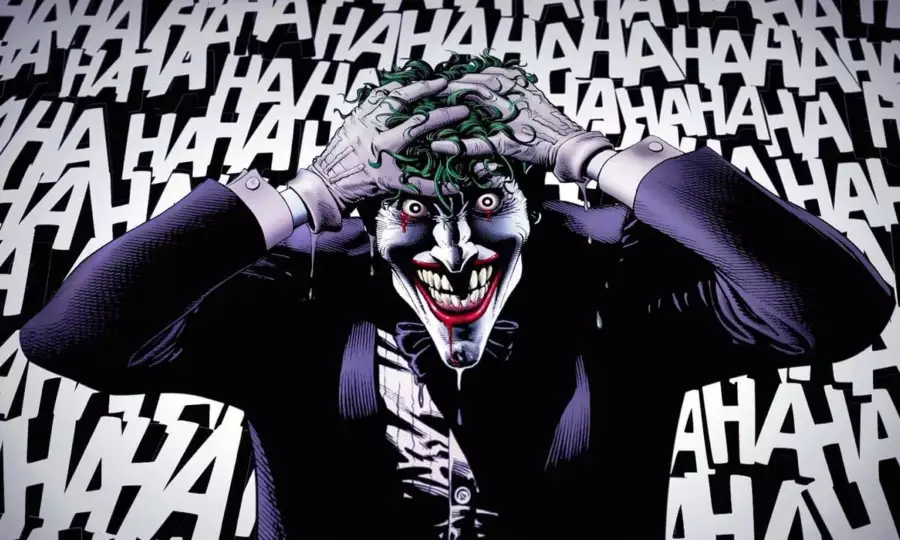
Publisher: DC Comics Writer: Alan Moore Artist: Brian Bolland Release Year: 1988 Batman: The Killing Joke is iconic. Written by the legendary Alan Moore and illustrated by Brian Bolland, this graphic novel changed the Dark Knight forever. Initially, it was intended as a standalone “Elseworlds” tale. However, it was so powerful that DC integrated it into the main continuity. Consequently, its influence is massive. You can see its DNA in everything from Tim Burton’s 1989 movie to the Batman: Arkham video game series (check out our Arkham Asylum Review here). But reviewing it nearly 40 years later, does it still hold up? The Premise: Madness is Gravity The story is less of a traditional superhero fight. Instead, it serves as a psychological case study. The Joker has a terrifying theory. He believes that “one bad day” is all it takes to turn the sanest man alive into a lunatic. To prove this, he targets Commissioner Jim Gordon. Furthermore, the comic tackles the Joker’s origin with beautiful tragedy. Moore weaves a tale of a failed comedian who loses everything in a single day. We sympathize with him. In fact, at certain points, you might even find yourself on his side. This is a difficult feat to pull off, considering the horrific crimes he commits in these pages. The Controversy: Barbara Gordon We cannot discuss The Killing Joke without addressing the elephant in the room. In his attempt to break Jim Gordon, the Joker shoots and paralyzes Barbara Gordon (Batgirl). Admittedly, this moment remains controversial. Critics argue it treats Barbara as a mere plot device. However, this tragedy eventually led to her reinvention as Oracle, one of the most important characters in the DC Universe. Moore’s writing is uncompromising, but it is undeniably brutal. The Art: Brian Bolland’s Masterpiece The writing is deep, yet the art is what makes this book legendary. Brian Bolland is a master of detail. Every frame is packed with nuance. From the cluttered desks of the police station to the white smear of paint on Batman’s glove, nothing is accidental. Moreover, Bolland’s use of light—or lack thereof—is genius. His version of the Joker is terrifyingly human. The manic expressions and detailed linework make this arguably the best the Clown Prince of Crime has ever looked. The Ending: Did Batman Kill The Joker? (Spoilers Ahead) The ending of The Killing Joke is the subject of endless debate. Batman rescues Jim Gordon. Despite the torture, Gordon remains sane. He demands Batman bring the Joker in “by the book,” proving the villain wrong. Nevertheless, the final panels are ambiguous. Batman and Joker share a joke in the rain. They laugh together. Then, the view shifts to their feet. The laughter stops abruptly. The lights go out. Did Batman finally snap? Grant Morrison famously theorized that Batman kills him. Hence the title: The Killing Joke. Whether you believe this theory or not, the ambiguity makes the ending perfect. Final Verdict Batman: The Killing Joke is an absolute masterpiece. It is short, sharp, and shocking. Therefore, it earns its place as one of the greatest graphic novels ever told. If you are looking to get into Batman comics, this is a great starting point. It requires no prior knowledge, yet it delivers a complete story. Score: 5/5 More Reviews from BGCP Review: Watchmen Review: Avengers Disassembled Check out our upcoming Comic Con Events

Review: The Killing Joke – A Flawed Masterpiece? Read More »

watchmen graphic novel review

Watchmen Review: 5 Reasons It Is A Masterpiece

Review: Watchmen – The Graphic Novel That Changed Everything Publisher: DC Comics Year: 1986 – 1987 Writer: Alan Moore Artist: Dave Gibbons Colourist: John Higgins When Watchmen was first released in 1986, it didn’t just tell a story; it deconstructed an entire medium. Written by the legendary Alan Moore and illustrated by the meticulous Dave Gibbons, this 12-issue limited series (now collected as a single graphic novel) is widely considered the “Citizen Kane” of comic books. But nearly 40 years later, does it still hold up? In this review, we revisit the dystopian world of 1985 to see if the Doomsday Clock is still ticking. The Plot: Who Kills the Peacemakers? The story takes place in an alternate 1985 where superheroes (masked vigilantes) are real, but their presence has altered history. The US won the Vietnam War thanks to the god-like Dr. Manhattan, Richard Nixon is still President, and the Cold War is on the brink of nuclear annihilation. The plot kicks off with the murder of The Comedian, a cynical, government-sanctioned hero. His death triggers an investigation by the unstable vigilante Rorschach, who uncovers a conspiracy that threatens to kill millions to save billions. Unlike traditional superhero tales, Watchmen isn’t about saving the day—it’s about the cost of peace and the moral gray areas of power. Character Analysis: Archetypes Deconstructed One of Moore’s greatest achievements is taking the “Charlton Comics” archetypes and twisting them into realistic, flawed human beings. Rorschach (Walter Kovacs): The narrator for much of the book, Rorschach is an absolutist. He sees the world in black and white, refusing to compromise even in the face of Armageddon. He is a fascinating, terrifying look at what happens when a Batman-type figure has no wealth or stability. Dr. Manhattan (Jon Osterman): The only character with actual superpowers. Moore uses him to explore existentialism and detachment. If you could see all of time at once and rearrange atoms with a thought, would human life still matter to you? Ozymandias (Adrian Veidt): The smartest man in the world. He represents the pinnacle of human potential but also the danger of utilitarianism—the idea that the ends always justify the means. Nite Owl (Dan Dreiberg) & Silk Spectre (Laurie Juspeczyk): The most “human” characters, representing the struggle of ordinary people trying to find connection in a world that is falling apart. Visual Mastery: The 9-Panel Grid While Alan Moore’s script is dense and poetic, the visual storytelling by Dave Gibbons is what makes Watchmen a technical masterpiece. Gibbons famously utilised a strict nine-panel grid for almost the entire book. This rigid structure gives the story a rhythmic, ticking-clock pacing. It allows for incredible control over the reader’s eye, making the few moments where the grid breaks (like the giant squid or Dr. Manhattan on Mars) feel truly massive and shocking. John Higgins’ coloring also deserves praise. He avoided the primary colors typical of superheroes, opting instead for a secondary palette of sickly purples, oranges, and greens, giving the world a bruised, uneasy feeling. Key Themes: “Who Watches the Watchmen?” The book’s central question—Quis custodiet ipsos custodes?—is more relevant today than ever. Power and Accountability: In a world where individuals have the power to level cities, who holds them accountable? Moore argues that power inevitably corrupts and isolates. Cold War Anxiety: The looming threat of nuclear war permeates every page. While the Soviet Union is gone, the modern anxiety of global conflict makes this fear relatable to new readers. Deconstruction of the Hero: Watchmen asks: What kind of person would actually put on a mask to fight crime? The answer isn’t a noble altruist; it’s usually someone with deep psychological trauma or a fetish for violence. Is Watchmen Good for New Readers? Verdict: Proceed with Caution. While it is often cited as the “best” graphic novel, it is not the best first graphic novel. As noted in our original review, Watchmen is a satire of superhero tropes. If you don’t know the tropes, you might miss the satire. It’s like trying to appreciate Shrek without ever having seen a Disney fairy tale. You will still enjoy the story, but you won’t catch the subversion. We recommend reading classics like Batman: Year One or All-Star Superman first to understand what Moore is dismantling. Final Verdict Watchmen is a dense, literary, and challenging read. It requires patience, but it rewards you with one of the most intricately plotted mysteries in fiction. The symmetry of the chapters (especially the “Fearful Symmetry” issue) is a masterclass in storytelling that has never been replicated. Whether you’ve seen the Zack Snyder movie or the HBO sequel series, nothing compares to the original text. Score: 10/10 – Essential Reading. More Reviews from BGCP If you enjoyed our deep dive into Watchmen, check out our reviews of other seminal works: Review: Batman The Killing Joke Review: V for Vendetta Review: Swamp Thing – The Root of All Evil

Watchmen Review: 5 Reasons It Is A Masterpiece Read More »

swamp thing root of all evil

Review – Swamp Thing: The Root of All Evil

Publisher: DC Comics/Vertigo Writer: Grant Morrison and Mark Millar Art: Phil Hester and Kim DeMulder Coloring: Tajana Wood Lettering: Richard Starkings Cover/Back Art: John Mueller Release Dates: August 2015 Review – Swamp Thing: The Root of All Evil With origins in the 1970s and seeing some small amount of popularity through the 80s, the Swamp Thing series found some of its more solid footing in the early 90s with a four issue arc penned by Grant Morrison, fresh off of Arkham Asylum, and a then young up and comer known as Mark Millar, who would of course go on to write seminal works of his own like The Ultimates, Superman: Red Son, and of course Marvel’s Civil War. Morrison worked with Millar to author those four opening issues, and following that, Millar would continue to write for the remainder of that volume by himself. Today we’ll review Swamp Thing: The Root of All Evil and see if Morrison and Millar’s writing capture the essence of the not so jolly green giant, or if it’s dead on the branch. If you’re at all familiar with the various works of Grant Morrison, you know well enough to expect a story that aims to bend your mind and demands to be revisited and poured over once or twice to really absorb everything that is being laid down in front of you. Swamp Thing: The Root of all Evil’s writing displays all the typical hallmarks of a Grant Morrison tale; weaving in flowery symbolism and esoteric references to ancient gods, shamanic rituals, and the philosophies and theories of psychedelic scholars like Terrance McKenna that might have you feeling a bit like keeping a notepad nearby to keep track of it. The story also features some enjoyably deep cuts from other cosmic corners of the DC universe such as appearances (albeit brief) by Dr. Fate, The Phantom Stranger, and a couple of other familiar faces that solidly ground the tale in the greater DC Universe. Review- Earth-One: Wonder Woman Vol 3 The Root of All Evil almost functions as something of a soft reboot for the character, re-contextualizing Alec Holland’s earlier adventures as the Swamp Thing as some sort of long hallucinogenic trip that leaves Holland, very much looking like a regular man, waking from his dream in the jungles of South America. The pages wear Morrison’s kaleidoscopic style on its sleeve, and even once Millar takes up the pen in full in the back half of the book that feeling of eccentric dread never quite lets up or lets go, though Millar’s writing does noticeably lack the same psychedelic influences that weaved their way through the first half of the story. That said, despite some stylistic differences, Morrison and Millar both craft a poetic, compelling, and oftentimes downright chilling narrative from start to finish. This macabre tale of fate the descent into the mystical unknown is brought to life by the art of Phil Hester (Green Arrow: Quiver and most recently announced as the newest artist on DC’s Superman as of December 2020) with Kim DeMulder filling Hester’s pencils in with inky blacks and deep shadows that hide dark things. The whole spread is colored by Tatjana Wood, who casts the most disturbing elements of the book in a sickening pallor, but also makes room for bright floral greens and reds in the scenes where Swamp Thing exercises his full powers. The art, at first, did take some getting used to, especially if you are accustomed to the more cinematic art styles of later 21st century comics, but it becomes clear before long that the aesthetic presented is perfectly suited for the unflinching horror elements of the book. And they are unflinching. It can’t be stated emphatically enough that this is a book for mature readers, with enough gore, nudity, and overall grotesque imagery to give your deepest nightmares some wonderfully terrifying ideas. All in all, it’s hard not to recommend Swamp Thing: The Root of All Evil upon review, especially since the story as a whole was never collected in trade paperback until very recently (2015), and so may have been missed out on by a lot of readers. However, that recommendation does come with a word of caution: The story can occasionally be confusing, though it is mostly explained by the end, and the imagery does not hold back or pull any punches, joyfully presenting you scene after scene of gothic horror. However, if you’re in the mood for an unsettling, gripping ride, and willing to accept a bit of confusion at the outset of the volume, then this comes highly recommended. Or, if you’ve ever wondered just what that whole Swamp Thing is about and are thinking of taking the plunge, this is as good a place as any to start. Review- JLA- Earth 2 A Tale of Dark Reflections

Review – Swamp Thing: The Root of All Evil Read More »

Scroll to Top