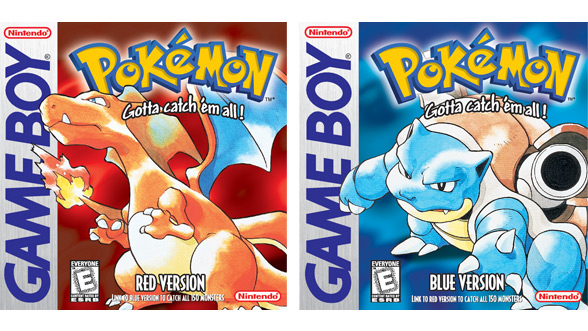
Long before the Nintendo Switch, the open worlds of Paldea, or the global phenomenon of Pokémon GO, there was a small, struggling team of developers at Game Freak with a wild idea: what if children could trade insects through a wire? In late 2025, as the franchise celebrates nearly three decades of dominance, the story of its beginning feels like a digital fairy tale.
It started with a childhood obsession. Satoshi Tajiri, a boy nicknamed “Dr. Bug,” watched as the ponds and forests of his youth were paved over by Japan’s urban expansion. He wanted to give the next generation a way to experience the thrill of the hunt—the magic of finding something rare in the grass—even in a world of concrete. Alongside artist Ken Sugimori and composer Junichi Masuda, Tajiri spent six grueling years crafting a world inside a tiny grey cartridge.
The journey from the Japanese launch of Pocket Monsters: Red and Green to the global craze of Pokémon Yellow was anything but certain. The games were buggy, the Game Boy hardware was aging, and the concept of “collectible monsters” was entirely untested. Yet, against all odds, the Kanto region became a second home for millions.
Whether you’re a veteran trainer looking to revisit the glitches of Cinnabar Island or a newcomer curious about the “Mew miracle,” this is the story of how 151 monsters and four primary colors sparked a revolution. Let’s head back to Pallet Town and explore the games that started it all.
10 Deep Secrets of the Kanto Era
- Rhydon was the True “First”: While Bulbasaur is #001 in the Pokédex, Rhydon was the first Pokémon ever designed and programmed into the game. This is why his statue appears in every Gym and why he is listed as index #001 in the game’s internal code.
- The Mew Miracle (The 300-Byte Secret): Mew was never supposed to be in the game. After the “Debug” tools were removed from the finished code, lead programmer Shigeki Morimoto found exactly 300 bytes of free space left on the cartridge. He snuck Mew into that gap at the last second without telling Nintendo.
- The Scrapped “Gorochu”: Raichu was originally intended to have a final evolution called Gorochu. According to designer Atsuko Nishida, it was a terrifying beast with fangs and horns meant to resemble a god of thunder, but it was cut for game balance.
- Professor Oak was the Final Boss: In the game’s internal code, there is a fully programmed battle with Professor Oak. He uses the final evolution of the starter Pokémon neither you nor your rival chose. This battle can still be accessed today using the “Mew Glitch” (or GameShark).
- Critical Hits were Based on Speed: In Gen 1, your “Critical Hit” chance wasn’t a random percentage; it was calculated based on your Pokémon’s Base Speed. This made fast Pokémon like Jolteon and Persian almost invincible, as they would land a critical hit nearly every single turn.
- Focus Energy Actually Sabotaged You: Due to a coding error, the move “Focus Energy”—which was supposed to increase critical hit chance—actually divided your crit rate by four. Using it made your Pokémon significantly weaker for that battle.
- The Rival’s Dead Raticate: A famous theory suggests your rival’s Raticate died during your battle on the SS Anne. When you meet him in the Lavender Town Tower (a Pokémon graveyard), he asks if you know what it’s like for a Pokémon to die, and his Raticate is mysteriously missing from his team for the rest of the game.
- Statues are Fishing Spots: You can actually “fish” inside the statues found at the entrance of Pokémon Gyms. Due to a oversight in how the game recognizes “water” tiles, using an Old Rod on a statue can net you a Magikarp or a Goldeen.
- The “Splash” Mistranslation: The move “Splash” is actually a mistranslation of the Japanese word for “Hop.” This explains why it is a Normal-type move and why non-water Pokémon like Hoppip and Buneary can learn it.
- Only One Save File? Thank the Nicknames: The reason you can only have one save file isn’t because of the game’s size—it’s because of the nicknames. Storing custom names for every single Pokémon in your PC boxes took up so much of the internal RAM that there was no room left for a second save slot.
The Visual Bible: 👉 [Pokémon Adventures: Red & Blue Box Set]
- Why: This manga is the closest representation of the original “dark” vision Satoshi Tajiri had for the series.
The Cards: 👉 [Pokémon TCG: Kanto Friends Mini Tin 5-Pack Bundle]
Retro Protection: 👉 [Game Boy Cartridge Protective Cases (10-Pack)]
- Why: In 2025, original Red/Blue carts are skyrocketing in price; fans need to protect their batteries.